Desentupidora em Avenida Paulista São Paulo SP: Common Mistakes and Corrections
If you are searching for a desentupidora em Avenida Paulista São Paulo SP, the short answer is this: you need a licensed, 24-hour emergency service that knows the building codes and aging pipe systems of the Paulista corridor. The Avenida Paulista area mixes old residential towers, busy commercial buildings, and heavy foot traffic, so a blocked drain or backed-up sewer is not just an inconvenience — it can shut down a business or flood an apartment within minutes. The right provider arrives fast, diagnoses the cause instead of just punching a hole through the clog, and leaves the line flowing properly.
In this community-moderated Q&A, I answer the questions that come up again and again from residents, building managers, and shop owners along Avenida Paulista. The format is simple: we look at the most common mistakes people make when dealing with a clogged drain or sewer, then the correction that actually solves the problem. By the end, you will know how to choose a desentupidora Avenida Paulista and avoid the costly errors that turn a small blockage into a major repair.
Mistake 1: Treating Every Clog the Same Way
Not all blockages are equal. A slow kitchen sink, a backed-up floor drain, and a sewage smell in the garage are three different problems with three different fixes. The most common mistake is reaching for a chemical drain cleaner or a plunger without understanding where the clog actually sits. On Avenida Paulista, many buildings have decades-old cast-iron or PVC lines that have narrowed over time due to grease, soap scum, and tree roots. Pouring acid into those pipes can corrode the joints and create leaks behind walls — a small clog becomes a structural problem.
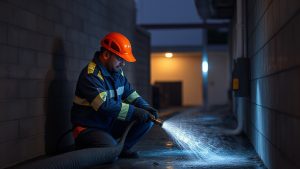
The correction: start with a professional inspection. A technician uses a camera or a rod to locate the obstruction and identify its nature. Only then do they choose the method — mechanical snake, hydro jetting, or manual removal. For a desentupidora Avenida Paulista São Paulo SP, the correct first step is always diagnosis, not guesswork.
Why Chemical Cleaners Are a Bad Idea in Older Buildings
Many buildings along the Paulista corridor were built before strict plumbing standards were enforced. Their pipes may be thinner than modern ones, and some have already been patched. Chemical cleaners generate heat and pressure that can crack already-weakened pipes. If you live in a condominium, the building manager may even prohibit them because the damage can affect multiple units. A professional service uses mechanical tools that remove the clog without attacking the pipe itself.
The Difference Between a Drain and a Sewer Line
A floor drain in a bathroom connects to a small branch line, while a sewer line carries waste from the whole building to the public system. A plunger might clear a branch line, but it will do nothing for a main sewer blockage. The symptoms are different too: a single slow drain points to a local issue, while multiple drains backing up at once or gurgling sounds from other fixtures mean the main line is blocked. Knowing this distinction saves you from wasting time on the wrong tool.
Mistake 2: Hiring the First Name You Find Without Checking Credentials
Emergency situations make people skip due diligence. When water is rising, it is tempting to call the first number on a flyer or a quick online ad. But Avenida Paulista has a high concentration of both reputable firms and informal handymen who lack insurance, proper equipment, or knowledge of local regulations. The mistake is not asking for proof of licensing, liability coverage, and a written estimate before work begins. Without those, you may end up paying for a temporary fix that fails within days — or worse, for damage to the building’s common areas.
The correction: verify that the company is registered, has a physical address, and can provide references from other buildings in the area. A legitimate provider will not hesitate to explain their process and give you a clear price range before starting. For a desentupidora Avenida Paulista São Paulo SP, ask specifically about their experience with the type of building you have — residential condominium, commercial office, or mixed-use.
What to Ask on the Phone Before You Book
- Do you have 24-hour emergency service, and what is the average response time to Avenida Paulista?
- Are your technicians uniformed and do they carry identification?
- Do you provide a written estimate before starting, and is there a call-out fee?
- What equipment do you use for hydro jetting or camera inspection?
- Can you share references from building managers in the region?
These questions filter out the informal operators and help you find a service that will stand behind its work.
The Hidden Cost of Cheap, Unlicensed Labor
A low price often means cut corners: no camera inspection, no proper protective gear, and no guarantee. If the clog returns a week later, you pay again — and the second visit may cost more because the first attempt may have pushed the blockage deeper. In a condominium, unlicensed work can also void insurance coverage for water damage. The cheapest option is rarely the least expensive in the long run.
Mistake 3: Ignoring Preventive Maintenance Until Something Breaks
Most emergencies are predictable. The mistake is waiting for a complete blockage before calling anyone. On Avenida Paulista, where restaurants, cafés, and commercial kitchens generate heavy grease loads, and where old trees send roots into pipe joints, small warnings appear long before a flood. Slow drains, recurring odors, and gurgling sounds are the early signals. Ignoring them leads to after-hours emergency calls, which cost more and disrupt residents or customers.
The correction: schedule periodic maintenance, especially for commercial kitchens and older residential buildings. A professional can hydro jet the lines to remove accumulated grease and scale, inspect with a camera for root intrusion, and clean grease traps before they overflow. For a desentupidora Avenida Paulista São Paulo SP, a maintenance plan is often more affordable than a single emergency call. It also extends the life of the plumbing system and keeps you compliant with building regulations.
How Often Should You Schedule Maintenance?
It depends on usage. A busy restaurant may need monthly grease trap cleaning and quarterly hydro jetting. A residential building with 50 units might need annual inspection of the main sewer line. A single-family home with light usage can go two years between preventive visits. The key is to establish a baseline with a camera inspection, then follow a schedule based on what the camera reveals — not a generic calendar.
What a Preventive Visit Actually Includes
A thorough preventive service goes beyond a quick snake. It includes a camera inspection of the main lines, measurement of flow, identification of potential root intrusion or pipe damage, cleaning of grease traps and floor drains, and a written report with recommendations. This report is valuable for building managers who need to plan budgets and demonstrate due diligence to condominium boards.
Quick Summary: The Right Way to Handle a Blockage on Avenida Paulista
To recap, avoid these three mistakes: do not treat every clog the same, do not hire without checking credentials, and do not wait until a blockage becomes an emergency. Instead, insist on a professional diagnosis, verify the provider’s licensing and experience, and set up a preventive maintenance schedule. When you need a desentupidora em Avenida Paulista São Paulo SP, choose a service that answers the phone 24 hours, arrives with the right equipment, and explains what they are doing before they do it. That approach saves money, prevents damage, and keeps your building or business running smoothly.
Frequently Asked Questions
How quickly can a desentupidora arrive on Avenida Paulista in an emergency?
Response times vary by traffic and time of day, but a reputable 24-hour service typically aims to arrive within 30 to 60 minutes for emergency calls in the Paulista area. When you call, ask for an estimated arrival time and confirm that the technician will call ahead.
Do I need to be present during the service?
For residential calls, yes — someone responsible for the property should be present to authorize the work and confirm the result. For commercial buildings or condominiums, the building manager or a designated employee can supervise. Always ask for a written report after the service.
What is hydro jetting, and is it safe for old pipes?
Hydro jetting uses high-pressure water to scour the inside of pipes, removing grease, scale, and roots. It is safe for most pipes when performed by a trained technician who adjusts the pressure based on the pipe material and condition. A camera inspection before jetting helps confirm that the pipe can withstand the pressure.
Can I prevent clogs in my building’s sewer line?
Yes. Regular maintenance, proper disposal of grease and hygiene products, and periodic camera inspections are the best prevention. Educating residents or staff about what not to flush also makes a significant difference, especially in buildings with many units.